


Finding a painless white spot on the gums can be concerning, but it’s a common issue that many people experience. These spots can arise for various reasons, ranging from harmless conditions to those that may require attention. Understanding the underlying causes is crucial for anyone noticing these changes in their oral health.
While some might dismiss these spots as minor irritations, they can signal something more significant. From benign mucosal cysts to oral lichen planus, recognizing the type of white spot can help in determining the right course of action. This article will explore the potential causes, symptoms, and when it’s time to consult a dentist, ensuring readers stay informed and proactive about their gum health.
Understanding White Spots on Gums
White spots on gums can arise from several conditions, some harmless and others more serious. Identifying the cause plays a crucial role in managing oral health.
Common Causes
- Oral Thrush: This fungal infection leads to white patches on the gums and other areas of the mouth. It often occurs in individuals with weakened immune systems or those using inhaled corticosteroids.
- Leukoplakia: This condition results in thick, white patches that can appear on the gums. Often associated with tobacco use, leukoplakia warrants monitoring, as some forms can become cancerous.
- Canker Sores: These small, ulcerated lesions may feature white centers and occur on the gums. Stress, hormonal changes, and certain foods can trigger their formation.
- Mucous Membrane Pemphigoid: This autoimmune disorder leads to blistering on the gums. It produces white spots due to the formation of lesions, requiring attention from a healthcare provider.
- Vitiligo: This skin condition can affect the gums, leading to depigmented, white patches. It’s often associated with other autoimmune diseases.
When to Seek Help
- Persistent Symptoms: If white spots persist for more than two weeks without improvement, it’s wise to consult a healthcare professional.
- Accompanying Pain: Sudden pain, swelling, or bleeding along with white spots necessitates immediate medical evaluation.
- Difficulty Eating or Swallowing: If white spots disrupt normal eating or swallowing functions, seeking professional guidance can prevent further complications.
- Changes in Color or Shape: Any alterations in the appearance of the spots should prompt a dental visit for assessment.
Proactive attention to these symptoms contributes to better gum health and overall oral hygiene management.
Symptoms and Characteristics
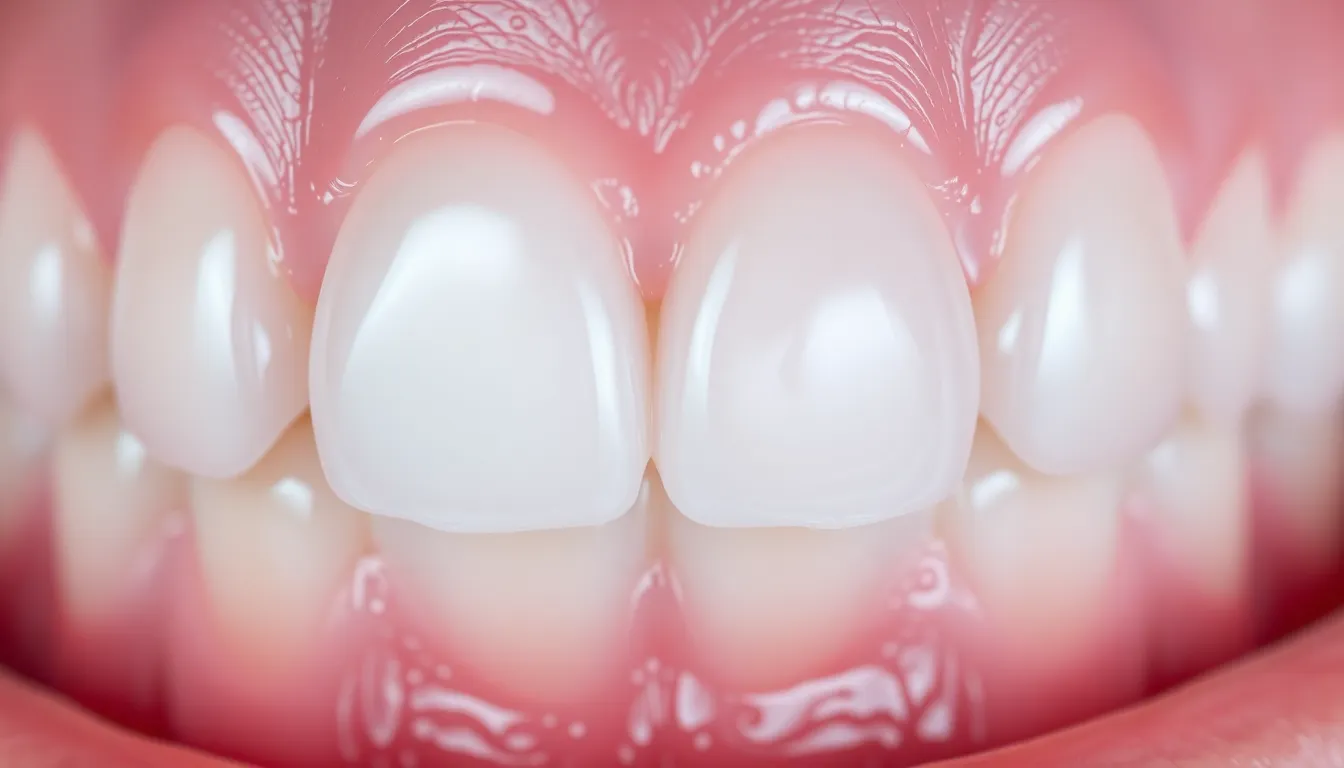
Painless white spots on gums can present a range of symptoms and specific characteristics. Identifying the causes and understanding their implications helps manage oral health effectively.
Identifying White Spots
Identifying the characteristics of white spots on gums involves observing their appearance and location.
- Color: The spots typically appear bright white or creamy white.
- Size: They can vary in size, ranging from small pinpoint spots to larger patches.
- Texture: The texture may be smooth or irregular, depending on the underlying cause.
- Location: They often occur on the inner cheeks, gums, or tongue.
Noting these features can assist healthcare professionals in diagnosing the underlying issue.
Distinguishing from Other Conditions
Distinguishing painless white spots from other oral conditions requires careful consideration of various factors.
- Oral Thrush: Can present as a creamy, white, curd-like appearance and may involve soreness or difficulty swallowing.
- Leukoplakia: Appears as thickened white patches that cannot be wiped away and often occurs due to irritation.
- Canker Sores: Typically small, painful sores with a white center and red border, differing from painless white spots.
- Mucous Membrane Pemphigoid: Presents as white spots along with other blister-like lesions and may require immediate medical evaluation.
- Vitiligo: Causes depigmented areas that may appear white but typically lacks associated symptoms affecting the gums.
Understanding these distinctions aids in determining the need for professional evaluation.
Diagnosis and Treatment Options
Diagnosis of painless white spots on gums involves a thorough evaluation by a dental professional to identify the underlying cause and determine an appropriate treatment plan.
Diagnostic Procedures
Diagnostic procedures for painless white spots on gums may include:
- Visual Examination
Dental professionals assess the appearance, size, and location of the spots.
- Medical History Review
A thorough review of the patient’s medical and dental history helps identify contributing factors or previous conditions.
- Biopsy
A biopsy may be performed if the appearance raises concerns, allowing for laboratory analysis to confirm or rule out serious conditions.
- Saliva Testing
Saliva testing can evaluate for signs of infections or imbalances in oral flora affecting gum health.
- Radiographic Imaging
X-rays or other imaging techniques may be necessary to determine the extent of any underlying issues.
Home Remedies and Care
Home remedies can help manage painless white spots on gums, but they should not replace professional advice:
- Salt Water Rinse
Salt water rinses can reduce inflammation and promote healing for minor irritations.
- Baking Soda Paste
Baking soda creates a paste that can help neutralize acidity and alleviate discomfort.
- Hydrogen Peroxide Rinse
Diluted hydrogen peroxide can act as an antibacterial solution, promoting gum health.
- Maintain Oral Hygiene
Regular brushing and flossing can prevent further irritation and help maintain overall gum health.
- Avoid Irritants
Steering clear of tobacco products and alcohol reduces the risk of exacerbating gum conditions.
These methods provide temporary relief and support gum health; however, consultation with a healthcare professional remains crucial for persistent symptoms.
Prevention Strategies
Maintaining healthy gums and preventing the occurrence of painless white spots on gums involves a combination of effective oral hygiene practices and mindful dietary choices. Implementing these strategies can significantly improve oral health.
Oral Hygiene Practices
- Brush regularly: Brush at least twice a day using fluoride toothpaste to remove plaque and prevent gum disease.
- Floss daily: Daily flossing removes food particles and plaque from between teeth and below the gumline, areas toothbrushes often miss.
- Use an antiseptic mouthwash: Rinsing with an antiseptic mouthwash helps reduce bacteria and prevent gum inflammation.
- Replace toothbrushes: Change toothbrushes every three to four months, or sooner if the bristles are frayed, to ensure effective cleaning.
- Regular dental check-ups: Schedule dental appointments every six months for professional cleanings and early detection of any oral issues.
Dietary Considerations
- Limit sugar intake: Reducing sugar consumption helps prevent tooth decay and gum disease, as sugar contributes to bacterial growth.
- Stay hydrated: Drinking plenty of water supports saliva production, which acts as a natural defense against harmful bacteria.
- Consume crunchy fruits and vegetables: Eating raw apples, carrots, and celery promotes oral health by naturally cleaning teeth and gums.
- Include calcium-rich foods: Foods like dairy products and leafy greens support gum health and are essential for strong teeth.
- Avoid acidic beverages: Limiting sodas and citrus juices prevents enamel erosion and reduces the risk of gum irritation.
Painless white spots on the gums can be a common occurrence but shouldn’t be overlooked. Recognizing the potential causes and understanding when to seek professional help is crucial for maintaining optimal gum health. By practicing good oral hygiene and making mindful dietary choices, individuals can reduce the risk of these spots appearing. Regular dental check-ups also play a vital role in early detection and treatment of any underlying issues. Staying informed and proactive ensures healthier gums and contributes to overall oral well-being.